Active Recall: The Most Effective Study Technique Supported by Science
Highlighting notes doesn't work. Learn why active recall is the single most powerful strategy to improve your exam scores.
The Great Highlight Illusion
Walk into any college library during midterms, and you will see hundreds of students engaged in the exact same activity: hunched over a textbook, dragging a neon yellow highlighter across the page.
It feels productive. It looks productive. But cognitive science has repeatedly proven that highlighting and rereading are two of the most ineffective ways to study.
Why? Because they are forms of passive learning. Your brain isn’t actually working hard; it’s just coasting along, recognizing words it has seen before.
If you want to actually memorize information, you need to ditch the highlighter and start using Active Recall.
What is Active Recall?
Active recall is the process of actively stimulating your memory to retrieve a piece of information from your brain, rather than passively reading it from a page.
Think of your brain like a muscle. Rereading a textbook is like watching someone else lift weights. You might understand how they are lifting the weights, but your muscles aren’t getting any stronger. Active recall is when you step up to the bar and lift the weight yourself.
Every time you force your brain to struggle to remember an answer, you strengthen the neural pathway to that information.
How to Implement Active Recall
1. Flashcards (The Classic Method)
Flashcards are the purest form of active recall. You look at a prompt, and you must retrieve the answer from your brain before you flip the card.
Warning: Do not flip the card immediately if you don’t know the answer! Force yourself to struggle for at least 10-15 seconds. That struggle is the exact mechanism that builds the memory.
2. The Blurting Method
This is a highly effective active recall technique for subjects with a lot of interconnected concepts (like History or Biology).
- Read a chapter or watch a lecture.
- Close your book and put away your notes.
- Take a blank sheet of paper and blurt (write down) absolutely everything you can remember about the topic.
- Open your notes and use a red pen to fill in the gaps of what you missed.
3. Practice Questions
Taking practice exams forces you to recall information under the same conditions you will face on test day. If your professor provides past papers, treat them like gold.
The Ultimate Active Recall System
Active recall is hard. It is mentally exhausting. That’s why so many students default to rereading—rereading is easy.
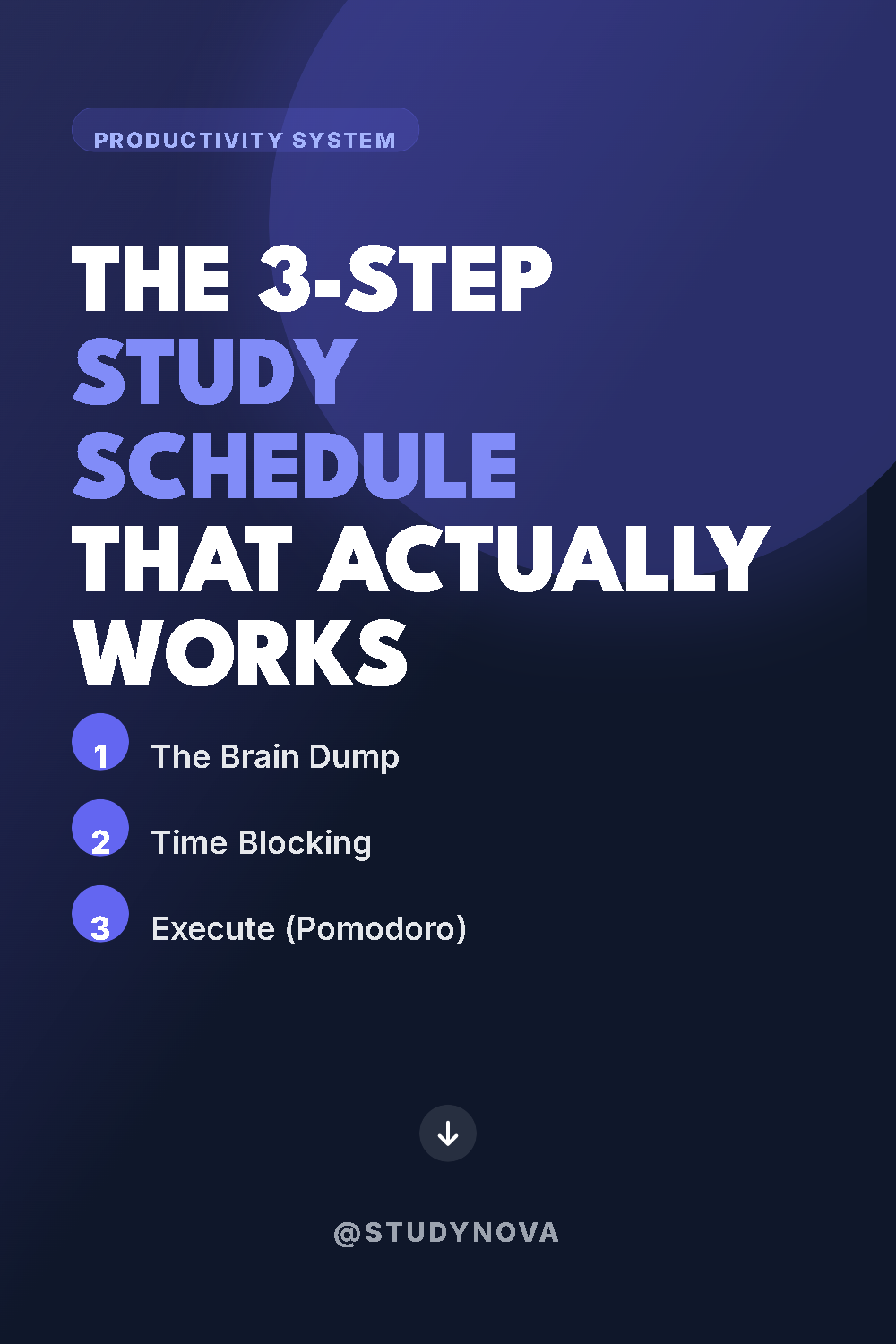
To prevent mental fatigue, you should pair active recall sessions with the Pomodoro technique. Use our Free Study Timer to do 25 minutes of intense flashcard active recall, followed by a 5-minute break to let your brain recover.
Stop reading. Start retrieving.